

Digital entertainment has undergone a structural transformation over the past decade, moving from scheduled broadcasting to on-demand streaming and, more recently, toward real-time interactive environments. Platforms that once focused exclusively on delivering content—films, series, or curated media libraries—are now competing with systems that prioritize immediacy, responsiveness, and user participation.
Traditional streaming models, including large-scale video libraries and download-based platforms, are built around passive consumption. Users select content, press play, and follow a predefined narrative arc. Even when personalization algorithms suggest content, the interaction remains largely one-directional. This model still dominates much of the entertainment landscape, yet it increasingly struggles to retain attention in environments where users expect immediate feedback and dynamic interaction.
The rise of real-time platforms introduces a fundamentally different paradigm. Instead of consuming static content, users engage with systems that respond instantly to their inputs, creating a sense of control that passive formats cannot replicate. Understanding this shift requires examining not only technological infrastructure but also how user expectations evolve when interaction replaces observation.
How Instant-Response Systems Change User Expectations
Why passive consumption is losing dominance
Streaming platforms such as Netflix or Amazon Prime Video rely on high-quality content libraries and recommendation engines. However, their interaction model is limited: users choose what to watch, but they do not influence outcomes once playback begins. Over time, this creates a predictable pattern of engagement, which, while comfortable, reduces novelty.
In contrast, real-time systems introduce variability. Each interaction produces an immediate response, making the experience less predictable and more engaging. This shift aligns with broader trends observed in digital behavior, where users increasingly prefer systems that react to their input rather than simply deliver content.
Early in this transition, users often explore interactive platforms out of curiosity. Over time, however, they begin to expect certain structural features—speed, clarity, and continuous feedback—that redefine what they consider a “good” digital experience.
How real-time platforms structure engagement
A defining characteristic of these systems is the way they organize interaction cycles. Instead of long-form content, they rely on short, repeatable loops, each with a clear beginning, process, and outcome. This structure allows users to remain engaged without committing to extended sessions.
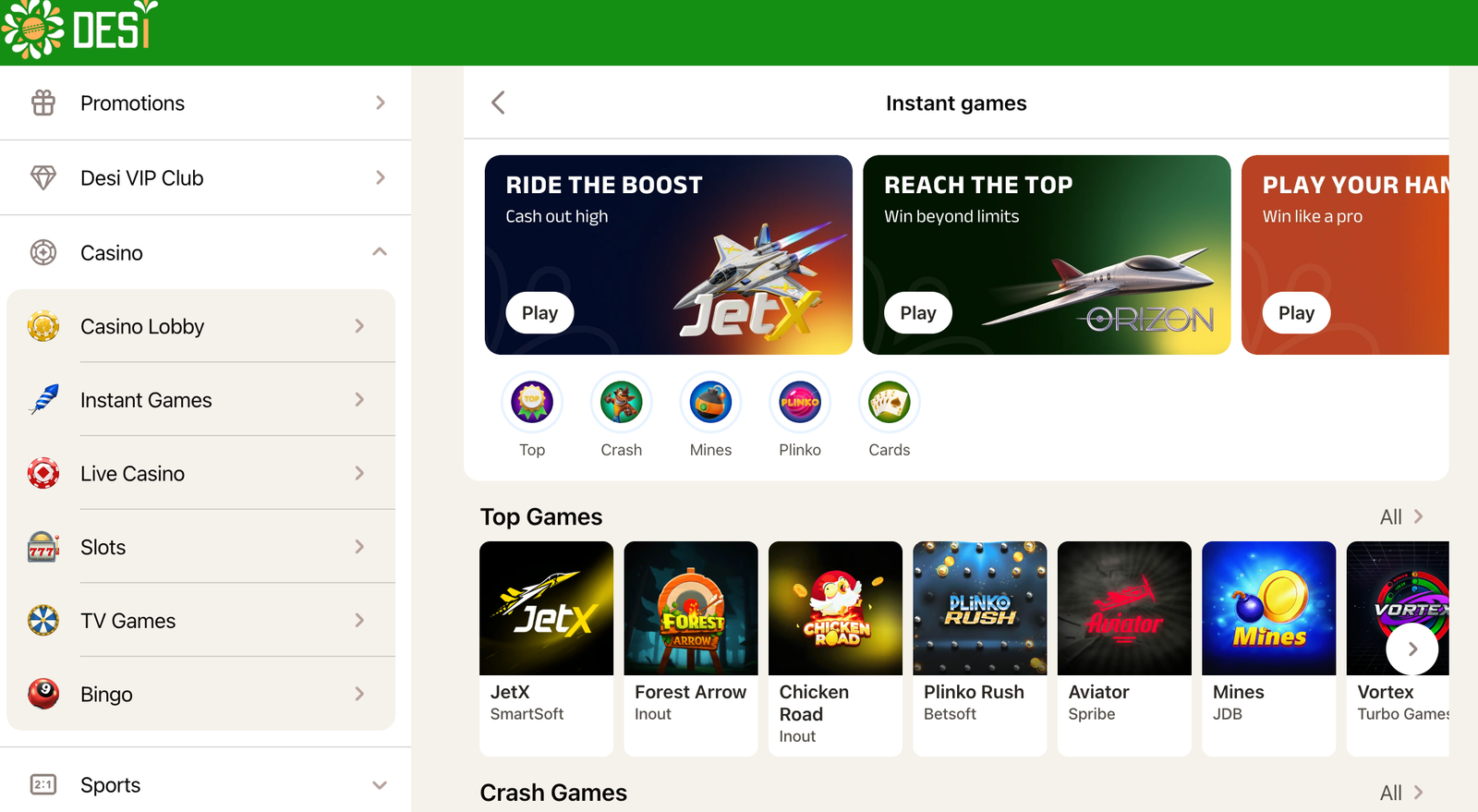
To understand how this works in practice, it is useful to examine environments where instant interaction is central. On platforms that provide structured real-time experiences, users can observe how outcomes are generated, how timing affects results, and how feedback is delivered without delay. For example, systems accessible via read more demonstrate how interaction loops are designed to provide immediate clarity. Each cycle is short enough to maintain attention while still offering enough variation to prevent predictability, which is a key factor in sustained engagement.
This design contrasts sharply with streaming platforms, where engagement depends on narrative progression rather than interaction frequency. In real-time systems, frequency replaces duration as the primary engagement driver.
Key interface elements that reinforce control
Real-time engagement relies heavily on interface design. Without clear communication, rapid interaction can quickly become confusing rather than engaging. Several elements consistently support user control:
- Immediate feedback indicators, showing results as soon as an interaction is completed
- Consistent timing patterns, allowing users to anticipate system behavior
- Minimal latency, ensuring that delays do not disrupt perception of control
- Transparent outcome presentation, reducing ambiguity in interpretation
When these elements are implemented effectively, users perceive the system as reliable, even if outcomes vary. When they are absent, the same variability can be interpreted as inconsistency or error.
How Real-Time Interaction Changes User Behavior and Decision-Making
The shift from observation to participation
In passive systems, users evaluate content based on external factors—reviews, ratings, or recommendations. In interactive systems, evaluation happens internally, through direct experience. This changes not only how users engage but also how they make decisions.
Participation introduces a feedback loop in which users adjust their behavior based on previous outcomes. Over time, they develop an understanding of how the system operates, even if the underlying mechanics are not explicitly explained. This learning process creates a stronger sense of involvement, which contributes to long-term engagement.
Cognitive patterns in fast-response environments
Real-time systems influence attention in ways that differ significantly from traditional media. Instead of sustained focus over long periods, they encourage rapid cycles of attention and response. Each interaction demands a short burst of concentration, followed by immediate evaluation.
This pattern has several implications:
- Users become more sensitive to timing inconsistencies
- Small delays can disproportionately affect perception of reliability
- Visual clarity becomes more important than informational depth
- Repetition reinforces familiarity, reducing cognitive effort over time
These factors explain why interface design plays such a critical role. In fast-response environments, users do not have time to interpret complex information; they rely on clear, consistent signals.
Practical ways to evaluate interactive platforms
For users navigating these systems, maintaining control requires a structured approach. Rather than relying on intuition alone, it is useful to apply specific evaluation techniques:
- Observe multiple interaction cycles before forming conclusions, as single outcomes can be misleading
- Track consistency in timing and feedback, which often reveals system reliability
- Compare displayed data across interface elements, ensuring internal coherence
- Limit exposure during unfamiliar phases, especially when system behavior appears inconsistent
These practices help distinguish between natural variability and actual system issues, allowing users to engage more effectively.
Hidden risks in high-speed interaction
Despite their advantages, real-time systems introduce challenges that are not immediately obvious. One of the most significant is perceived control versus actual control. Because the system responds instantly, users may feel that their actions directly influence outcomes, even when this is not the case.
Another issue is feedback overload. When interactions occur too quickly, users may struggle to process information, leading to errors in interpretation. This is particularly relevant in environments where outcomes change rapidly and repeatedly.
Finally, pattern misrecognition can occur when users attempt to identify trends in inherently variable systems. Without a clear understanding of how outcomes are generated, it is easy to overestimate the significance of short-term patterns.
Why the Future of Digital Media Depends on Interaction Design
The transition from passive streaming to real-time engagement reflects a broader shift in how users define value in digital environments. Content alone is no longer sufficient; users expect systems that respond, adapt, and provide immediate feedback.
This evolution places interface design at the center of the user experience. Transparency, consistency, and responsiveness are not optional features—they are essential components that determine whether a platform retains user trust.
At the same time, users must adapt to new modes of interaction. Understanding how feedback is structured, how timing influences perception, and how variability affects outcomes becomes increasingly important as digital systems grow more complex.
Bringing clarity to speed-driven environments
The most successful platforms are those that balance speed with clarity. They provide rapid interaction without sacrificing transparency, allowing users to remain in control even as the pace increases.
This balance is not achieved through visual complexity or excessive features but through thoughtful design decisions that prioritize predictability and interpretability. When users can understand what is happening at each step, they are more likely to trust the system, regardless of how fast it operates.
What This Shift Means for Users and Platforms Alike
The movement toward real-time engagement is not a temporary trend but a structural change in digital media. As users become accustomed to interactive systems, their expectations for all platforms will evolve accordingly.
For platforms, this means rethinking how content is delivered and how interaction is structured. For users, it requires developing new strategies for interpreting feedback and managing risk in fast-moving environments.
Ultimately, the relationship between control, transparency, and design will define the next generation of digital experiences. Those who understand how these elements interact will be better positioned to navigate—and benefit from—the increasingly dynamic landscape of online media.