


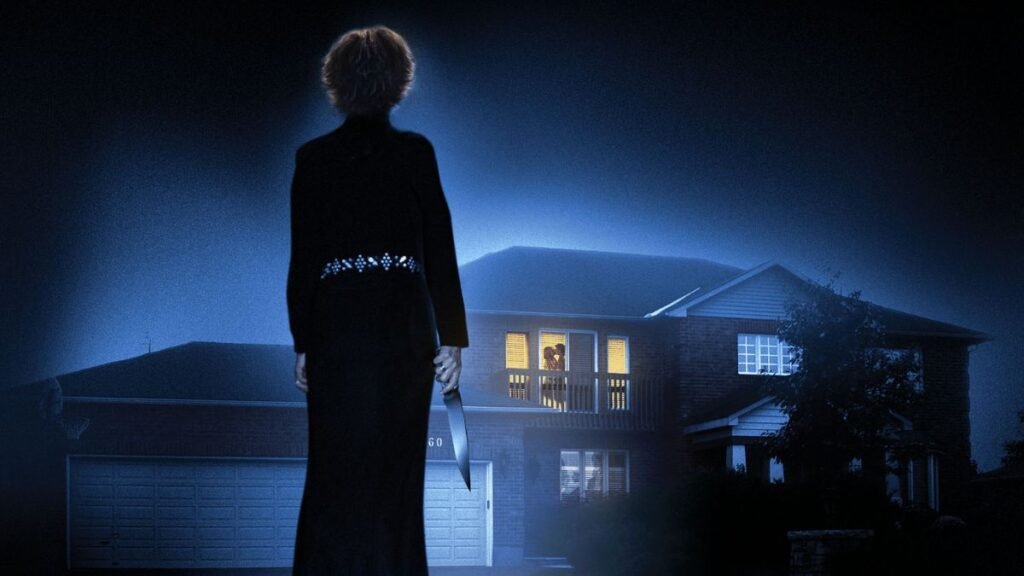
The highly anticipated The Perfect Neighbor Review reveals whether this 2025 Netflix documentary lives up to the hype around its Sundance‑winning status and viral true‑crime premise. Every year brings a flurry of true‑crime releases, but The Perfect Neighbor Review finds that this one stands out for its raw, footage‑heavy approach to a shocking real‑life neighborhood killing.
After watching this latest offering, we’re here with our complete The Perfect Neighbor Review. From the chilling narrative constructed out of police bodycam clips to the powerful social commentary it forces on viewers, let’s dive into what makes this film tick and whether it deserves your time.
Movie Details Table – The Perfect Neighbor Review
| Details | Information |
|---|---|
| 🎬 Movie Name | The Perfect Neighbor (2025) |
| 📅 Release Date | Limited theatrical release: October 10, 2025; Netflix: October 17, 2025 |
| ⭐ Star Cast | Real‑life participants: Susan Lorincz, Ajike “AJ” Owens, neighbors and police officers (documentary) |
| 🎥 Director | Geeta Gandbhir |
| 🎶 Music Director | Not prominently credited; score built around found footage and ambient sound |
| 🕒 Runtime | 1 hour 36 minutes |
| 🎬 Trailer | Official Netflix trailer on YouTube (September 22, 2025) |
| 📱 OTT Platform | Netflix (global streaming) |
| 📺 OTT Release | October 17, 2025 on Netflix |
| 🏆 Our Rating | 4/5 Stars – intense, urgent, and visually gripping but emotionally draining |
Quick Review Summary – The Perfect Neighbor Review
The Perfect Neighbor Review finds that this true‑crime documentary delivers a haunting, pulse‑quickening look at how a minor neighborhood dispute spirals into a fatal shooting. It’s not a feel‑good watch, but as a piece of social‑issue filmmaking it’s hard to look away from.
Whether you’re planning a focused evening on Netflix or prefer theatrical true‑crime docs, this The Perfect Neighbor Review will help you decide if it’s worth your time—and whether you’re prepared for its unflinching tone.
Cast & Characters – The Perfect Neighbor Review 2025
Because The Perfect Neighbor (2025) is a documentary based on real events, there are no “actors” in the traditional sense; instead the “cast” is made up of real people whose lives are placed under the lens.
Main Real‑Life Participants
Susan Lorincz as herself – A white woman living in an Ocala, Florida neighborhood who repeatedly calls police to report local children, accusing them of trespassing, screaming, and threatening her. Her behavior escalates from constant complaints to outright hostility, culminating in her shooting a Black neighbor, Ajike Owens. The film shows her through bodycam footage and interviews, portraying her as a deeply paranoid figure who repeatedly claims she is “like the perfect neighbor,” a line that becomes the title’s ironic hook.
Ajike “AJ” Owens as herself – A Black neighbor whose presence and normal interactions with other residents become the focus of Lorincz’s escalating fear and racism. The documentary does not depersonalize her death; instead it builds a clear sense of her life, her role in the community, and how senseless the violence against her truly was.
The neighbors and police officers – A tight‑knit community caught between a resident’s harassment and the legal system’s response. Police bodycam footage shows multiple visits to the neighborhood, capturing tensions, diversions, and the widening racial and class fault lines that underlie the conflict.
Cast Verdict – The Perfect Neighbor Review
The ensemble of real people brings an unavoidable authenticity to the narrative. This The Perfect Neighbor Review praises Geeta Gandbhir for not resorting to reenactments or heavy narration, instead letting subjects, police, and bystanders speak for themselves through raw material. The result is a documentary that feels less acted and more like a slow‑moving, real‑time tragedy, which is exactly what makes this The Perfect Neighbor Review recommend it for viewers who can tolerate distressing content.
Story & Plot Analysis – The Perfect Neighbor Review
The Perfect Neighbor Review finds that the plot of this 2025 documentary revolves around a seemingly minor neighborhood dispute that snowballs into a deadly shooting, set in Ocala, Florida, in 2023. It begins with Susan Lorincz making repeated 911 calls about children playing near her property, complaining about noise, trespassing, and threats, even though most visits find no evidence of wrongdoing.
Over time, her complaints grow more aggressive and racially tinged, and the bodycam footage shows police officers walking the same driveway, hearing the same allegations, and yet never fully defusing the situation. The story reaches its climax on June 2, 2023, when Lorincz shoots and kills her Black neighbor, Ajike Owens, claiming she felt “in fear for her life”—a self‑defense that later becomes the legal and moral centerpiece of the film.
What Works in the Story
- Engaging, real‑time narrative: The chronological structure, built almost entirely from police bodycams and interviews, sucks viewers into the slow‑burn escalation.
- Strong character arcs for the community: Even though it’s a documentary, the film clearly shows how the neighborhood shifts from casual annoyance to fear and trauma, especially after the shooting.
- Balance of personal and systemic angles: The film manages to zoom in on Lorincz’s psychology while also shining a light on Florida’s “stand your ground” laws and how they can embolden lethal overreactions.
Story Depth & Narrative Structure
The Perfect Neighbor Review appreciates that the documentary never wanders into shallow true‑crime exploitation. Instead, it patiently builds context, showing earlier disputes, police responses, and legal proceedings, which makes the outcome feel both shocking and terribly predictable. The three‑act shape—escalation, crisis, aftermath—is cleanly maintained, and the 96‑minute runtime keeps the tension tight without filler.
Trailer Analysis – The Perfect Neighbor Review 2025
The Perfect Neighbor Review examines the official Netflix trailer (released September 22, 2025) as a compact, effective piece of marketing that sets the tone without spoiling the core tragedy.
Trailer Highlights
- ✅ Gives a perfect glimpse without major spoilers: The trailer shows repeated police visits, frightened children, and agitated exchanges, but keeps the actual shooting off‑screen and implied.
- ✅ Showcases real‑life stakes: Bodycam footage, distressed voices, and close‑ups of officers listening to claims that “she’s going to shoot someone” ratchet up unease without resorting to sensationalism.
- ✅ Builds anticipation and excitement (for the right audience): For viewers who enjoy true‑crime documentaries, the trailer promises a “hauntingly powerful experience” that stays with you.
- ✅ Music and visuals create lasting impact: A tense, low‑thrum score underscores nighttime shots of suburban houses, flashing police lights, and anxious faces, reinforcing the feeling that something terrible is coming.
- ✅ Represents the film’s tone accurately: The trailer is not heroic or action‑oriented; it’s claustrophobic and uncomfortable, matching the documentary’s sober, indictment‑style mood.
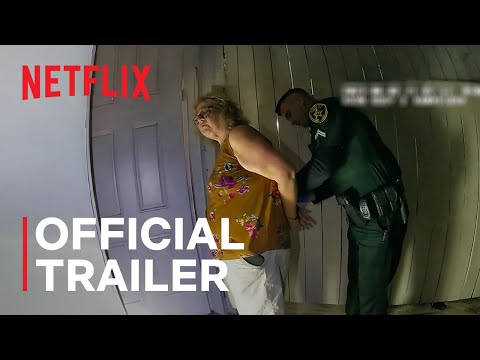
Trailer Marketing Strategy
Netflix markets The Perfect Neighbor as a Sundance‑award‑winning portrait of fear, prejudice, and “stand your ground” culture, which positions it as both a crime story and a sociopolitical commentary. Clips and key lines (like Lorincz’s “I’m like the perfect neighbor”) are pulled out for social‑media banners and short‑form promos, designed to provoke discussion as much as to drive views. As The Perfect Neighbor Review will show later, the trailer doesn’t oversell: the film largely lives up to this grim but necessary promise.
Visual Appeal
The trailer’s cinematography hints at the documentary’s high‑production, clean‑cut observational style: stable bodycam angles, domestic exteriors, and close‑ups that feel invasive yet grounded. This The Perfect Neighbor Review argues that the trailer’s visual language prepares viewers for an experience that feels more like watching a case file come to life than a stylized thriller.
Performance Analysis – The Perfect Neighbor Review
Because this is a documentary, the “performances” are unscripted, but the way participants carry themselves in front of officers and cameras has a profound impact on how the story reads.
Lead “Performances”
Susan Lorincz – Her repeated insistence that she feels threatened, juxtaposed with the actual footage of children playing innocently, creates a deeply unsettling friction. Director Geeta Gandbhir uses minimal narration, effectively turning Lorincz’s own words and mannerisms into a kind of performance: rigid, self‑righteous, and emotionally closed off.
Ajike Owens’ family and neighbors – Through interviews and reaction shots, they appear genuine, heartbroken, and dignified, which makes the senseless nature of her death even more painful. Their spoken memories and public‑statement clips add emotional weight the film’s visuals alone could not provide.
Supporting “Cast”
Police officers and legal figures – Officers appear measured yet visibly strained by the repetitive, emotionally charged calls. Their bodycam footage becomes a kind of silent chorus, underscoring how the system fails to defuse the situation despite repeated early warnings.
Performance Highlights
This The Perfect Neighbor Review finds that the strength of the film lies in how unwillingly “convincing” the real participants are, not in any acting technique. The documentary’s restraint—letting people speak in their own words, in their own environments—makes the moral and social questions hit harder than any scripted monologue could.
Technical Aspects – Music & Cinematography – The Perfect Neighbor Review
Music Score Analysis
There is no traditional pop‑driven soundtrack; instead, The Perfect Neighbor Review notes that the score is subdued and atmospheric, often built from ambient textures and subtle drones that mirror the documentary’s slow‑burn dread. The absence of loud, dramatic cues means the bodycam footage and real‑time dialogue remain the focus, which aligns with the film’s documentary‑style seriousness.
Sound design leans heavily on overheard conversations, police radio chatter, and the eerie quiet of suburban streets, all of which heighten the sense that this is a “real‑time” case playing out before the viewer’s eyes.
Visual Treatment
Cinematography is anchored in police body‑cam and surveillance footage, punctuated by interview shots and wide views of the Florida neighborhood. The color palette is muted and natural, favoring cool blues and grays at night and warm, sun‑bleached tones during the day, which reinforces the film’s observational, almost forensic tone.
Special effects are minimal; the film’s “effects” are legal documents, timelines, and on‑screen text overlays that clarify chronology and charges. This grounded approach keeps the viewer locked in realism rather than spectacle.
Technical Rating
This The Perfect Neighbor Review awards 4/5 stars for technical execution. The film’s production values do not rely on expensive set‑pieces but instead on crisp, well‑edited footage and a cohesive audiovisual palette that amplify the story’s gravity.
Direction & Screenplay – The Perfect Neighbor Review 2025
Director Geeta Gandbhir shapes The Perfect Neighbor with a clear, controlled vision: a chronologically ordered documentary that leans on raw footage and lets contradictions and tensions speak for themselves. Her approach avoids melodrama, instead trusting the audience to draw its own conclusions from the escalating pattern of calls, responses, and eventual violence.
Directorial Vision
Gandbhir uses limited narration, which means the film’s thesis is built through editing choices—how often we see Lorincz complaining versus how often we see officers downplaying those complaints. The result is a documentary that feels like a slow‑motion courtroom reenactment, where the audience gradually becomes the jury.
Screenplay Strength
Although there’s no traditional screenplay, the structure functions like one:
- Act 1 – Establishing the neighborhood, the kids, and Lorincz’s early complaints.
- Act 2 – Escalation, repeated police visits, and the community’s growing unease.
- Act 3 – The shooting, investigation, trial, and aftermath.
This The Perfect Neighbor Review finds that the writing‑through‑editing is sharp and purposeful, with each chronological leap feeling necessary rather than padded.
Pacing Control
The 96‑minute runtime stays focused, with only a few stretches that feel slightly repetitive (for example, multiple visits with similar complaints). Overall, however, the pacing mirrors the way the real‑life case unfolded: slow, grinding, and then suddenly catastrophic.
OTT Release Details & Platform Analysis – The Perfect Neighbor Review
The Perfect Neighbor is distributed on Netflix as part of its global documentary slate, released on October 17, 2025, a week after a limited theatrical run.
- Streaming Platform: Netflix (available in over 190 countries).
- Expected OTT Date: October 17, 2025 (exact release date on the Netflix title page).
- Subscription: Available with any active Netflix subscription tier that includes standard HD streaming.
- Languages: Audio and subtitles in multiple languages depending on region; original audio is English.
- Quality Options: Available in HD, with select regions supporting 4K where the Netflix plan allows.
OTT Viewing Experience
This The Perfect Neighbor Review finds that Netflix is actually an ideal home for this film, because its on‑demand, pause‑friendly format lets viewers process the heavy content at their own pace. The documentary’s reliance on bodycam footage also benefits from the clarity of home screens, where facial expressions and subtle shifts in tone are easier to read than in a crowded cinema.
However, the same accessibility makes it a trigger‑heavy watch; the film’s graphic implications and real‑life violence may not be suitable for casual viewing.